
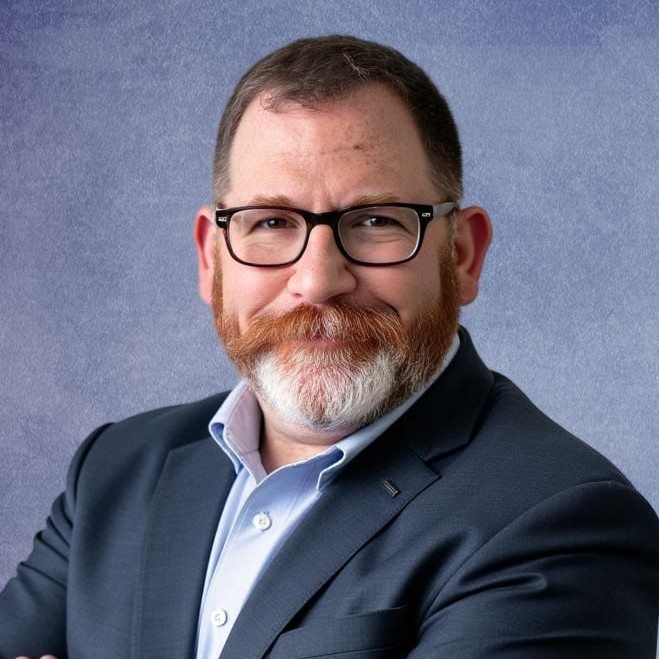
David S. Shapiro, MD, MHCM, FACS, FCCM
David S. Shapiro, MD, MHCM, FACS, FCCM is a trauma surgeon, physician executive, and innovator whose path began early. As a teen, he witnessed an act of public violence resulting in the death of a young girl; and amid the chaos of this scene, he felt a calling to help. Later as a university student, he was a student researcher in a transplant center, and took the opportunity to participate in surgery, starting a road toward altruism, surgical intervention, and advocacy. Board certified in General Surgery, Surgical Critical Care, and Hospice & Palliative Care Medicine, he has earned recognition for clinical excellence, systems thinking, and practical, patientcentered approaches to trauma care and emergency preparedness.
His work has spanned quality improvement, high reliability, and advocacy across multiple settings—from hospitalbased violence intervention programs to nongovernmental organizations and legislative engagement at both state and federal levels. He has represented the surgical community on Capitol Hill, contributed to legislation across New England and in Washington, and continues to advocate for multiple aligned causes: injury prevention in violent and automotive injury, equity and inclusion through the Association of Out Surgeons and Allies, and ongoing work to assure patients and families voices are heard in critical care, trauma, and at the end of life.
Dr. Shapiro served as Chief Medical Officer and Vice President for Medical Affairs at an urban Level I trauma center, where he prioritized building diverse, supportive, and highperforming teams and expanding services in multiple specialties and disciplines. He now leads M.E.D.I.C., a consultancy focused on medical education, documentation, innovation, and medicolegal review for various clients including medical staffs, individual programs, peer review, and the legal community. In 2025 he was named the American College of Surgeons Committee on Trauma Chair for Connecticut, and will be elevated as the ACS Program Leader for the global Stop the Bleed program. In each role, he emphasizes evidencebased practice, coordination across specialties, and a shared commitment to improving patient outcomes.
Beyond institutional leadership, Dr. Shapiro has contributed to the development of trauma systems at both state and national levels and has served as President of the American College of Surgeons Connecticut Chapter and the Society of Critical Care Medicine Northeast Chapter. He has also worked to elevate the experiences of LGBT2SQIA+ surgeons and learners, introducing the concept of the “beacon” as a model beyond mentorship and sponsorship—an idea he shares with organizations across the country. As the founding advisory chair of the Association of Out Surgeons and Allies, he has helped reinforce the belief that meaningful advocacy begins with individuals brought together.
Dr. Shapiro has served as medical director of a Physician Assistant program in Connecticut, and represented UConn as his system’s Assistant Dean for Medical Education, where he contributed to curriculum design, simulationbased training, and learnercentered assessment strategies that prepare clinicians for the realities of frontline care. His approach emphasizes authenticity, reflection, and inclusivity, helping learners develop not only technical skill but also judgment, resilience, and compassion. He continues work with medical students and residents interested in injury prevention. His editorial leadership—including seven years as EditorinChief of Connecticut Medicine. He has authored more than 70 peer reviewed manuscripts, multiple book chapters, and was author and coeditor of After the ICU, a book on critical illness recovery. These reflect his commitment to thoughtful, accessible scholarship
Known for blending rigor with creativity and even levity, Dr. Shapiro often uses imaginative exercises—drawing on pop culture, humor, or classical stories—to engage learners and colleagues. This sense of gamification and lightheartedness can complement strategic leadership, strengthening team cohesion and keeping learning grounded and human, even in highstakes and sensitive environments. Purposeful and collaborative, he continues to advance trauma care, emergency preparedness, and inclusive professional communities through evidencebased action and shared leadership.